Poem by Pablo Neruda · Canto General, «The Conquistadors» (1950)
Valdivia (1544)
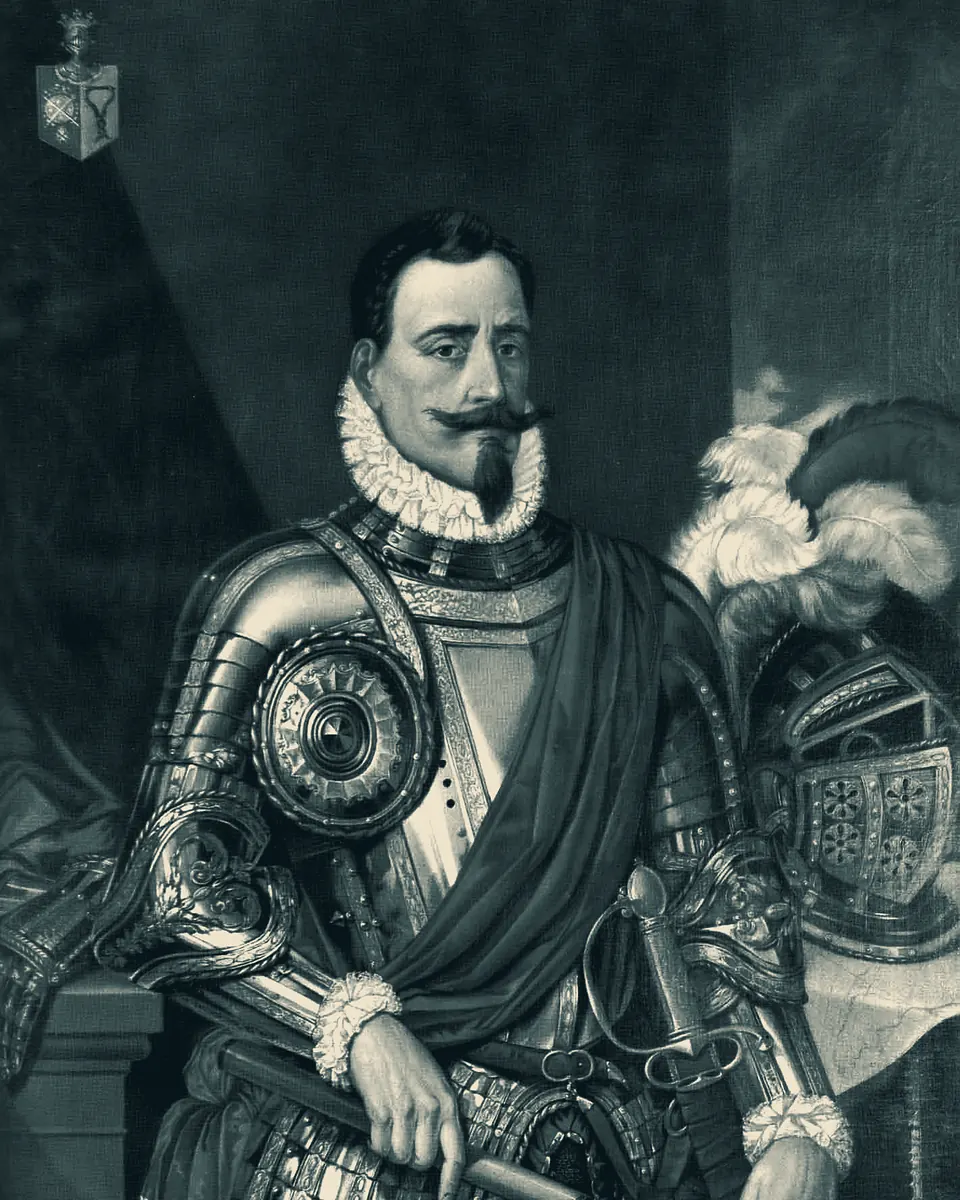
Pedro de Valdivia hands out Chile to his men «as if it were a dead donkey».
Pero volvieron.
(Pedro se llamaba.)
Valdivia, el capitán intruso,
But they came back.
(His name was Pedro.)
Valdivia, the intruding captain,
The poem continues in the book. We quote only its opening: Neruda’s work is under copyright.
What it is about
Neruda tells of the conquest of Chile from the Mapuche side. Valdivia divides the land among his soldiers, and the poem narrates the war and the cruelty of the conquest, including the scene of Inés de Suárez and the chieftains’ heads.
How to read it
One of the most violent poems in Canto General. It shows how Neruda rewrites the history taught in schools.
Where to read it in full
It is online in full, in Spanish, in the anthology of the Pablo Neruda Portal of the University of Chile, which publishes his poems for study.
It is in Canto General (1950). In English, look for an authorised translation —ideally a bilingual edition— in bookshops or at a public library. Guide to Canto General. All the poems of the book in the index.
Frequently asked questions
Which book is Neruda’s «Valdivia (1544)» in?
In Canto General, in the section «The Conquistadors», published in 1950. In Spanish the poem is called «Valdivia (1544)».
How does «Valdivia (1544)» begin?
In Spanish: «Pero volvieron. (Pedro se llamaba.) Valdivia, el capitán intruso,». Literally: «But they came back. (His name was Pedro.) Valdivia, the intruding captain,».
Where can I read «Valdivia (1544)» in full?
In Spanish, in the online anthology of the University of Chile’s Pablo Neruda Portal, which publishes it for study. In English, in an authorised translation of the book.