Santiago
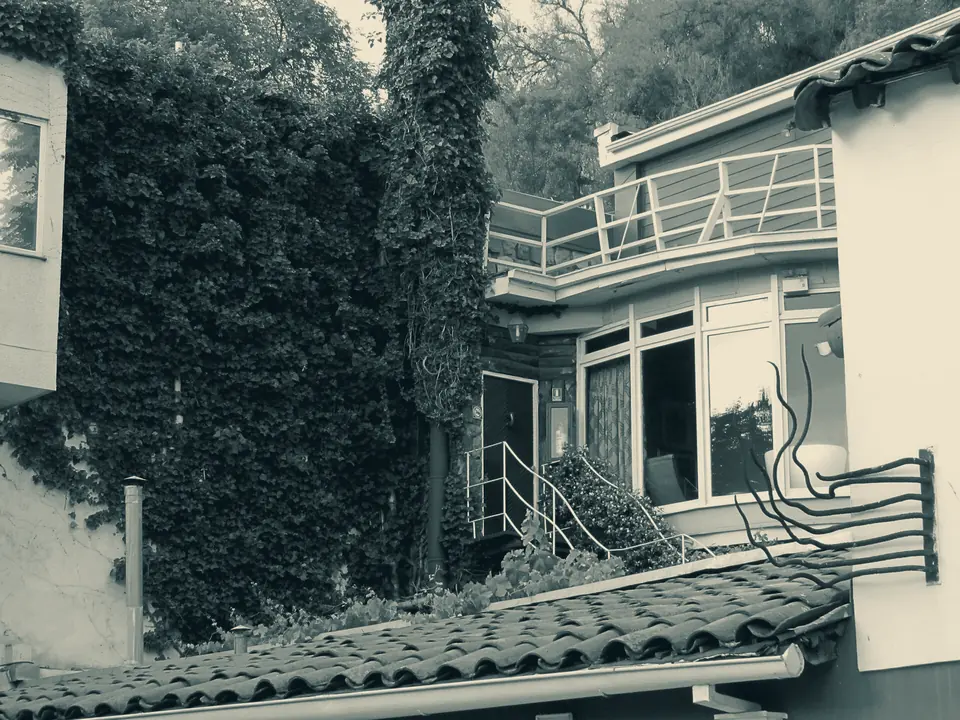
La Chascona
The house Neruda began building in 1953 for Matilde Urrutia, while their relationship was still secret.
Visitor guideNeruda’s favourite house and the largest. It stands on the rocks facing the Pacific, on Chile’s central coast. He wrote much of his work there, and he is buried there with Matilde Urrutia.
Checked on 25 November 2026 on the Pablo Neruda Foundation website.
It is about 110 km west of Santiago. Buses to the coast (Algarrobo, El Quisco, Cartagena) leave from the bus terminals in central Santiago; the trip takes about two hours, and you ask to be let off at Isla Negra.
By car: take Route 68 towards Valparaíso and then head for the central coast via Casablanca and Algarrobo, or take the Autopista del Sol towards San Antonio.
A tip
It is the most complete of the three, but it takes a whole day. In summer and on long weekends there are queues: arrive at opening time.
It is not an island. The place was called Las Gaviotas; Neruda began calling it Isla Negra (Black Island) because of the dark rocks off the beach, and the name stuck.
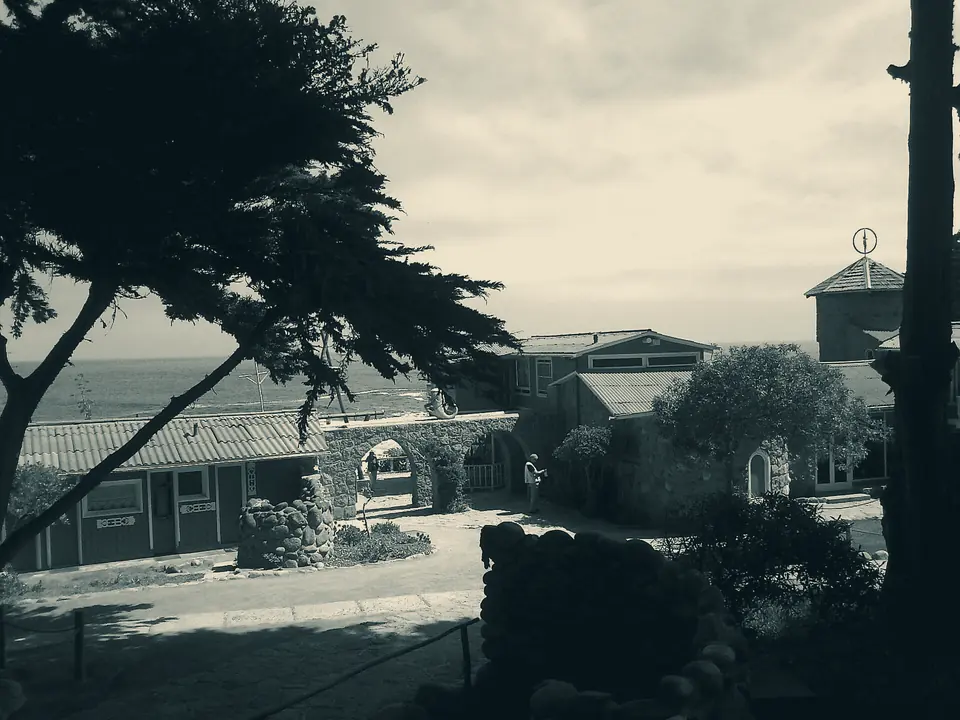
In 1938 Neruda bought a small stone cabin from Eladio Sobrino, a Spanish sailor. Between 1943 and 1945 the architect Germán Rodríguez Arias enlarged it, with the tower as its centrepiece. From 1965 the architect Sergio Soza added the arches that join the parts and «la Covacha», a hideaway for writing.
Neruda built it like a ship on land: low ceilings, narrow passages, windows onto the sea. Inside he gathered his collections of ships’ figureheads, ships in bottles, seashells, coloured bottles, masks and even old shoes. On the beams of the bar he carved the names of friends who had died.
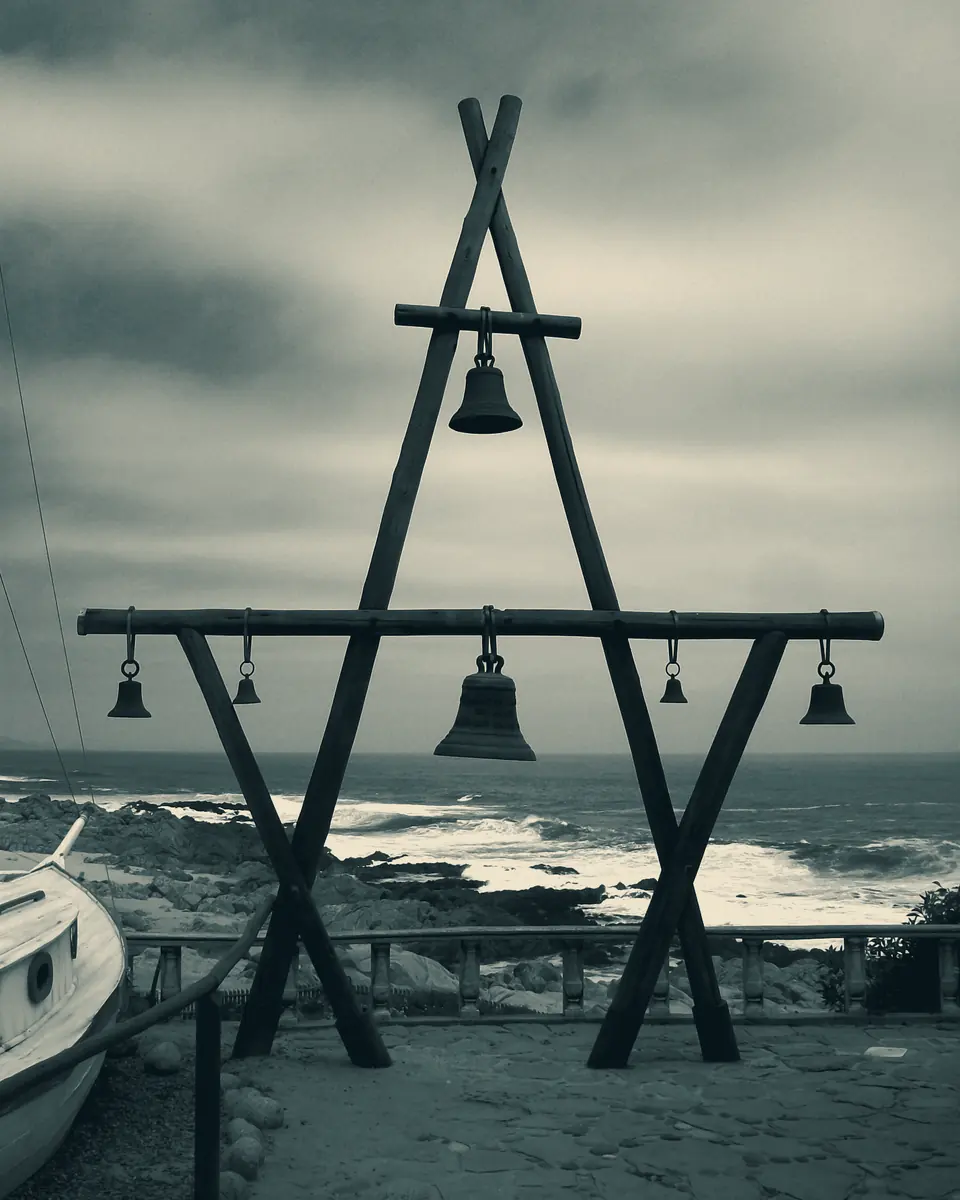
In Canto General he asked to be buried at Isla Negra, facing the sea he knew. In December 1992 his wish was granted: his remains and Matilde’s rest on the terrace looking out at the Pacific.
 Play the video
On Poeta Neruda street, Isla Negra, in the El Quisco district of the Valparaíso Region, about 110 km from Santiago.
At his house in Isla Negra, with Matilde Urrutia, facing the sea. His remains were moved there in December 1992.
No. It is a seaside village on the central coast. Neruda named it after some dark rocks off the shore.
By bus from the Santiago terminals to the central coast (about two hours) or by car on Route 68 via Algarrobo.
Santiago
The house Neruda began building in 1953 for Matilde Urrutia, while their relationship was still secret.
Visitor guide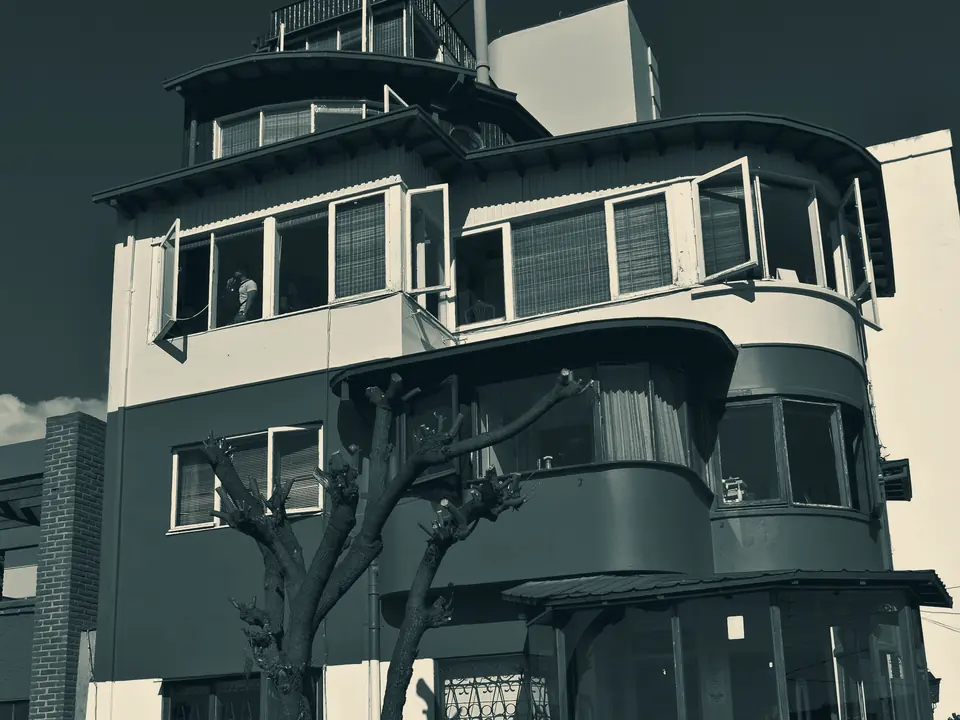
Valparaíso
Neruda’s house in Valparaíso: five narrow floors on Bellavista hill, with an open view of the whole bay.
Visitor guideShare it with someone?