Poem by Pablo Neruda · Fully Empowered (1962)
To «La Sebastiana»
In Spanish: «A «La Sebastiana»»
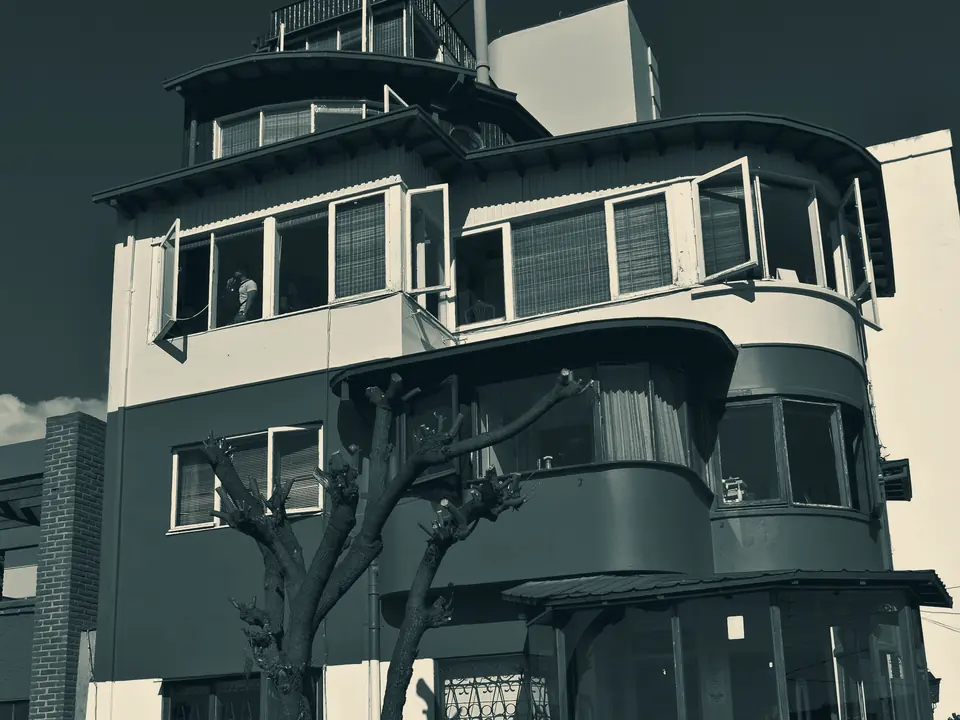
Neruda tells how he built La Sebastiana, his house in Valparaíso.
Yo construí la casa.
La hice primero de aire.
I built the house.
I made it first of air.
The poem continues in the book. We quote only its opening: Neruda’s work is under copyright.
What it is about
The house was first made of air: a flag hung from the sky. Then came the sacks of cement, the iron and glass, and the sleepless nights because materials ran short. The poet promises the house doors that will guard Matilde’s sleep, and ends by saying that what is missing now is the work of spring.
How to read it
Read it before visiting La Sebastiana, on Bellavista hill in Valparaíso: the house opened in 1961 and the poem came out the following year.
Where to read it in full
It is online in full, in Spanish, in the anthology of the Pablo Neruda Portal of the University of Chile, which publishes his poems for study.
It is in Fully Empowered (1962). In English, look for an authorised translation —ideally a bilingual edition— in bookshops or at a public library. About Fully Empowered. All the poems of the book in the index.
Frequently asked questions
Which book is Neruda’s «To «La Sebastiana»» in?
In Fully Empowered, published in 1962. In Spanish the poem is called «A «La Sebastiana»».
How does «To «La Sebastiana»» begin?
In Spanish: «Yo construí la casa. La hice primero de aire.». Literally: «I built the house. I made it first of air.».
Where can I read «To «La Sebastiana»» in full?
In Spanish, in the online anthology of the University of Chile’s Pablo Neruda Portal, which publishes it for study. In English, in an authorised translation of the book.