Poem by Pablo Neruda · Canto General, «The Liberators» (1950)
Father of Chile
In Spanish: «Padre de Chile»
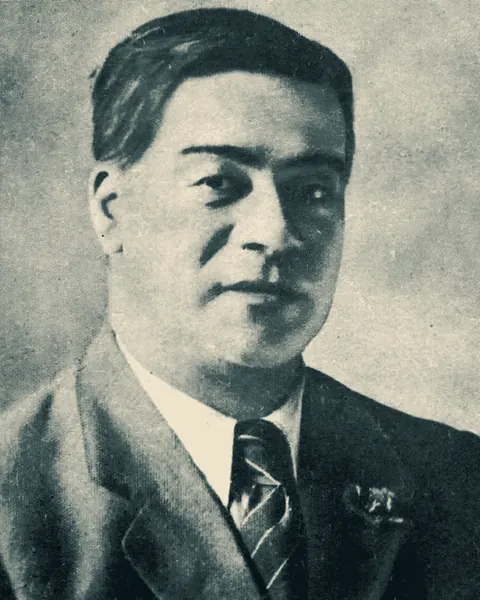
A tribute to Luis Emilio Recabarren, founder of the Chilean labour movement, in the form of an oath.
Recabarren, hijo de Chile,
padre de Chile, padre nuestro,
Recabarren, son of Chile,
father of Chile, our father,
The poem continues in the book. We quote only its opening: Neruda’s work is under copyright.
What it is about
It closes the series Canto General devotes to Recabarren (1876-1924), the typesetter who organised the saltpetre workers and founded the Socialist Workers’ Party, forerunner of the Communist Party of Chile. Neruda calls him father of Chile and ends with an oath: to follow his path until the people’s victory.
How to read it
Short and shaped like a promise, with the word «we swear» repeated. Read it after «Recabarren (1921)».
Where to read it in full
It is online in full, in Spanish, in the anthology of the Pablo Neruda Portal of the University of Chile, which publishes his poems for study.
It is in Canto General (1950). In English, look for an authorised translation —ideally a bilingual edition— in bookshops or at a public library. Guide to Canto General. All the poems of the book in the index.
Frequently asked questions
Which book is Neruda’s «Father of Chile» in?
In Canto General, in the section «The Liberators», published in 1950. In Spanish the poem is called «Padre de Chile».
How does «Father of Chile» begin?
In Spanish: «Recabarren, hijo de Chile, padre de Chile, padre nuestro,». Literally: «Recabarren, son of Chile, father of Chile, our father,».
Where can I read «Father of Chile» in full?
In Spanish, in the online anthology of the University of Chile’s Pablo Neruda Portal, which publishes it for study. In English, in an authorised translation of the book.